Kevlar Kevlar is a proprietary synthetic fiber developed by DuPont in 1965. Kevlar is an aramid; aramids are a class of heat-resistant, durable synthetic fibers. These qualities of strength and heat resistance make Kevlar fiber an ideal construction material for certain types of rope. Ropes are essential industrial and commercial utilities and have been since before recorded history. Read More…
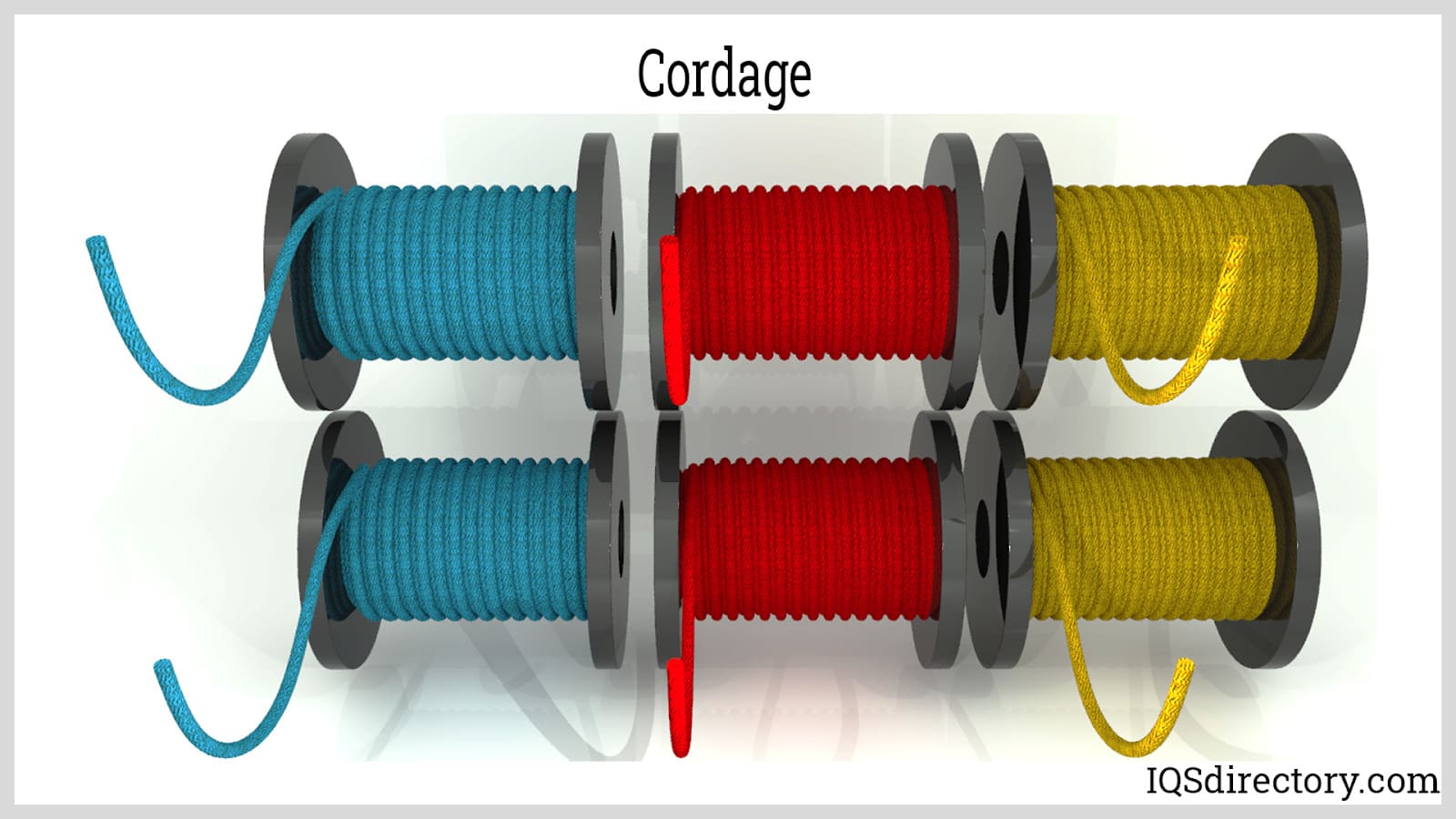
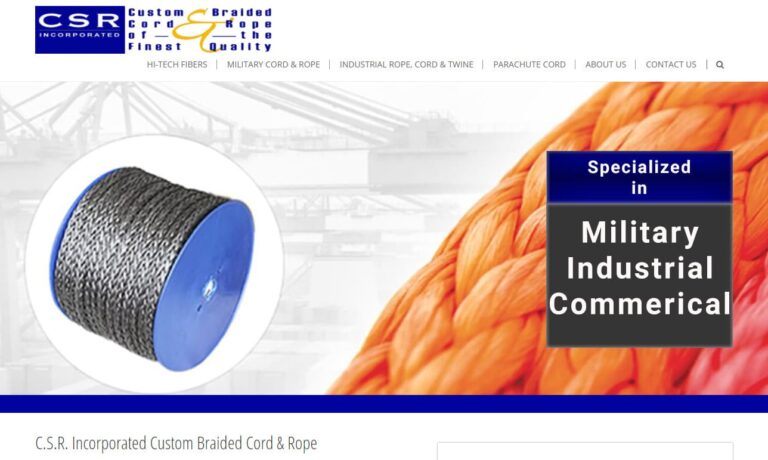
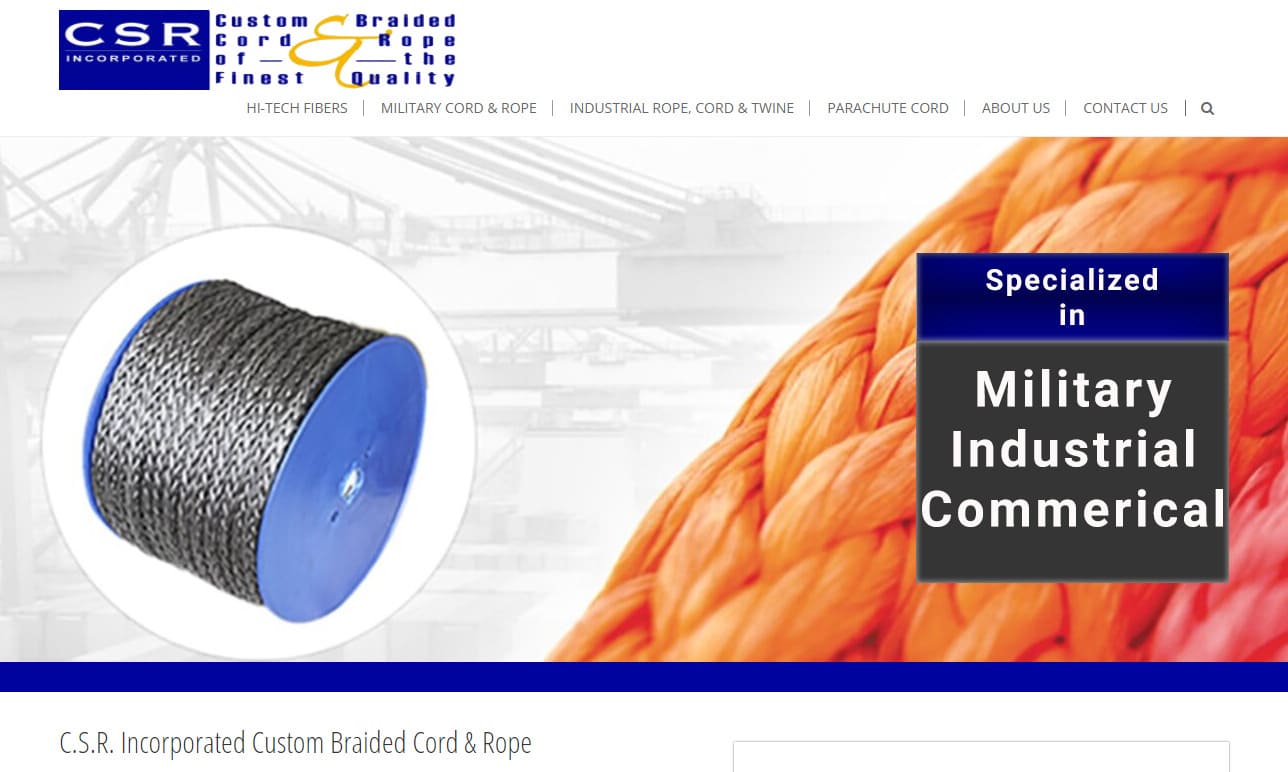
Since our beginning in 1967, we have had experience designing, manufacturing and distributing the highest quality braided ropes and cords. Braided ropes and cordage are produced in all common fibers.
At Yale Cordage, we take pride in engineering and manufacturing advanced rope solutions that push the limits of performance, safety, and innovation. Our focus has always been on creating synthetic ropes that outperform traditional fiber and wire rope, offering exceptional strength, flexibility, and longevity across a wide range of demanding applications.
Samson Rope Technologies can supply you with braided rope, nylon rope, sash cord, and rope & cordage for general use. Not only do we provide specific solutions to our customers, but we also follow up with instructions for the use and care of our products.

At Erin Rope Corporation, we take pride in our long-standing expertise in designing and manufacturing high-performance rope solutions that meet the demands of industries across the globe. We specialize in the engineering and production of ropes built to perform under pressure, offering durable, reliable, and precise products that serve a wide range of applications from construction and marine to...

At Cancord Ropes, we take pride in designing and manufacturing high-performance ropes that meet the demanding requirements of modern industries. Our expertise lies in crafting synthetic and blended fiber ropes that deliver exceptional strength, durability, and flexibility for a wide range of applications.




More Kevlar Rope Suppliers
Keen Insights Into Kevlar Rope: High-Performance Cordage for Industry and Recreation
Kevlar ropes represent a cutting-edge solution in the world of high-strength cordage, serving a diverse array of industries and consumer needs. Renowned for their exceptional strength-to-weight ratio, Kevlar ropes are engineered from aramid fibers that offer unmatched durability, chemical resistance, and longevity. As a result, they have become the preferred choice for applications demanding both reliability and superior performance.
What is Kevlar Rope? Understanding the Material and Its Unique Properties
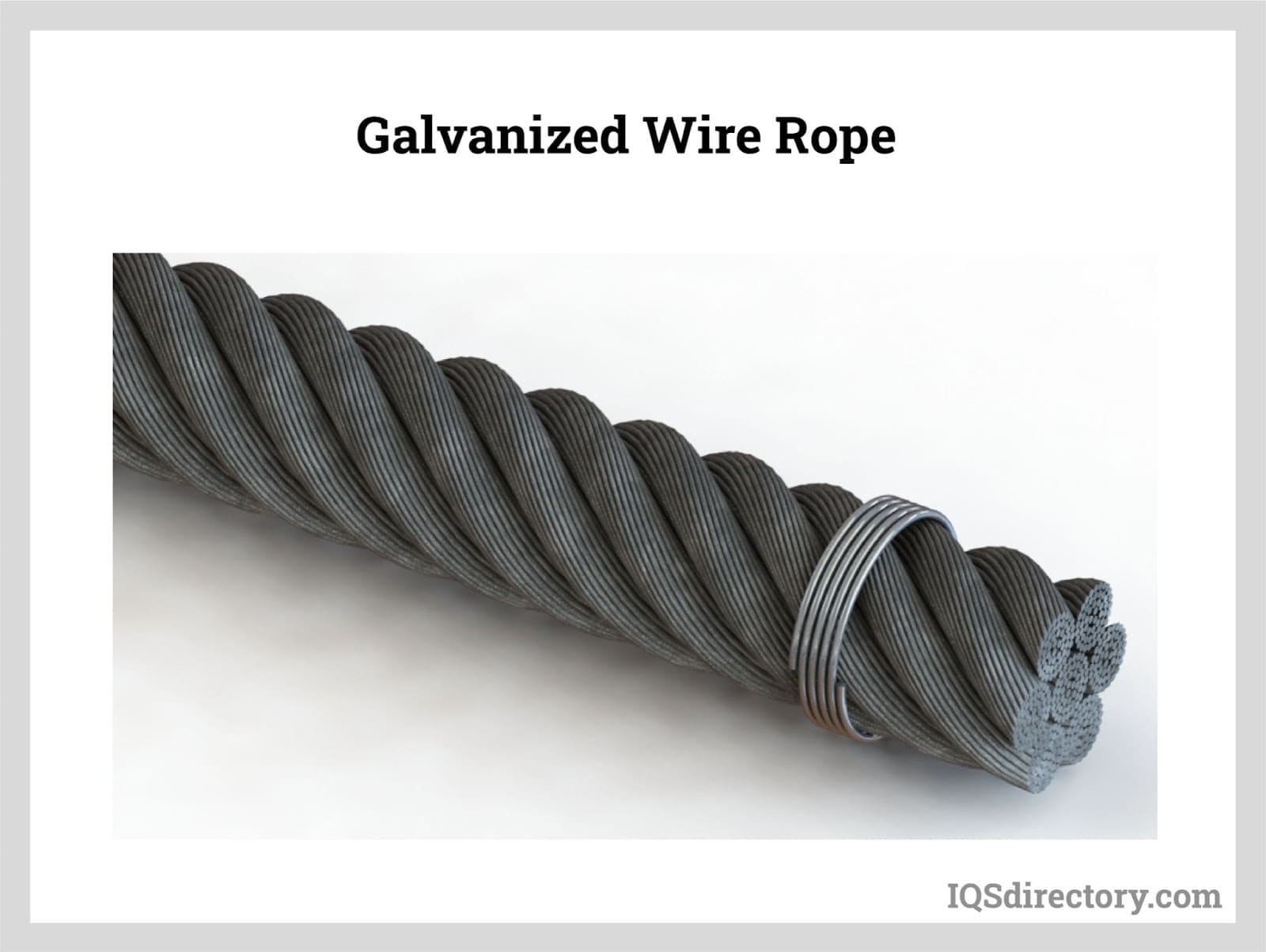
Kevlar rope is constructed from Kevlar aramid fibers, which are synthesized through a process that yields remarkable tensile strength, rigidity, and resistance to abrasion. Originally developed by DuPont, Kevlar is known for its use in bulletproof vests, but it also excels in rope manufacturing due to its light weight and high modulus. When compared to steel wire rope, Kevlar rope provides comparable—if not superior—strength, but at a fraction of the weight and with greater flexibility. This combination of high tensile strength, low stretch, and resistance to chemicals and UV degradation makes Kevlar an ideal material for demanding environments.
Key properties of Kevlar rope include:
- Exceptional strength-to-weight ratio (pound-for-pound stronger than steel)
- Minimal elongation or stretch under load, ensuring stability
- High chemical resistance, including resistance to most acids and bases
- Excellent performance in extreme temperature environments
- Non-conductive and corrosion-resistant
- Long service life with minimal maintenance compared to traditional ropes
Primary Applications of Kevlar Rope: Industry and Consumer Use Cases
Because of its highly specialized properties, Kevlar rope is trusted in critical applications where safety, reliability, and performance are paramount. The following sectors frequently utilize Kevlar rope products:
- Marine and Offshore: Used as mooring lines, tow ropes, and winch cables for ships, yachts, and oil platforms. Kevlar’s resistance to saltwater corrosion and low stretch under tension make it ideal for maritime operations and offshore rigging.
- Construction and Infrastructure: Employed in suspension bridges, crane lift lines, and structural supports, Kevlar cables offer lightweight yet robust alternatives to steel wire ropes for heavy-duty construction projects.
- Utility and Industrial: Utilized in winch lines for utility trucks, minesweep cables, and oil containment booms. Kevlar’s non-conductive nature is valuable in environments where electrical hazards exist.
- Recreational and Consumer: Kevlar cordage is found in rock climbing equipment, paragliding lines, fishing lines, water sports gear, and even as durable components in outdoor furniture. Adventurers and hobbyists value Kevlar for its lightweight strength and longevity.
- Aerospace and Defense: Deployed in helicopter slings, parachute cords, and other mission-critical aerospace applications where every ounce matters and reliability cannot be compromised.
Among the most notable uses is in suspension footbridges, where Kevlar cables support significant weight while maintaining flexibility and strength. In the marine industry, Kevlar ropes serve as critical mooring lines that withstand harsh oceanic conditions, including constant exposure to UV radiation and saltwater. In the utility sector, Kevlar winch lines provide a lightweight, tough alternative to traditional steel cables, minimizing manual effort and reducing risk.
Comparing Kevlar Rope to Other Rope Types: Decision Factors for Buyers
When selecting the best rope for industrial or recreational applications, buyers often compare Kevlar ropes with other synthetic and natural cordage options. Understanding the differences helps ensure optimal performance and value for your specific requirements.
Key comparison factors include:
- Strength: Kevlar offers superior tensile strength compared to most synthetic ropes (such as nylon ropes or polyester), and greatly exceeds the breaking strength of natural ropes like manila or cotton.
- Weight: Kevlar rope is significantly lighter than steel cable, making it easier to transport, handle, and install—especially in field operations.
- Stretch: Unlike nylon cordage, which is favored for its elasticity, Kevlar’s extremely low stretch makes it ideal for precision applications where stability is critical (e.g., cable-stayed bridges, static safety lines).
- Chemical and Environmental Resistance: Kevlar stands up to harsh chemicals, UV rays, and temperature extremes, whereas natural ropes may rot, degrade, or lose strength over time in tough environments.
- Ease of Splicing and Handling: Kevlar rope can be spliced and cut with proper tools, and its flexibility allows for a variety of knots and terminations.
- Cost: Kevlar rope typically commands a higher upfront price due to its advanced material properties, but its longevity and reduced maintenance costs can result in long-term savings.
Are you researching which rope type is best for your project? Explore braided rope options and compare their features with Kevlar to determine the right fit for your needs.
Braided vs. Twisted Kevlar Rope: Which Configuration is Right for You?
Kevlar ropes are available in both braided and twisted constructions, each designed for specific use cases and performance demands:
- Braided Kevlar Rope: Features interwoven strands of Kevlar fibers, resulting in a rope with increased strength, abrasion resistance, and flexibility. Braided ropes are less likely to unravel and are preferred for applications requiring frequent handling, dynamic loads, or repeated cycles—such as climbing, rescue, and rigging.
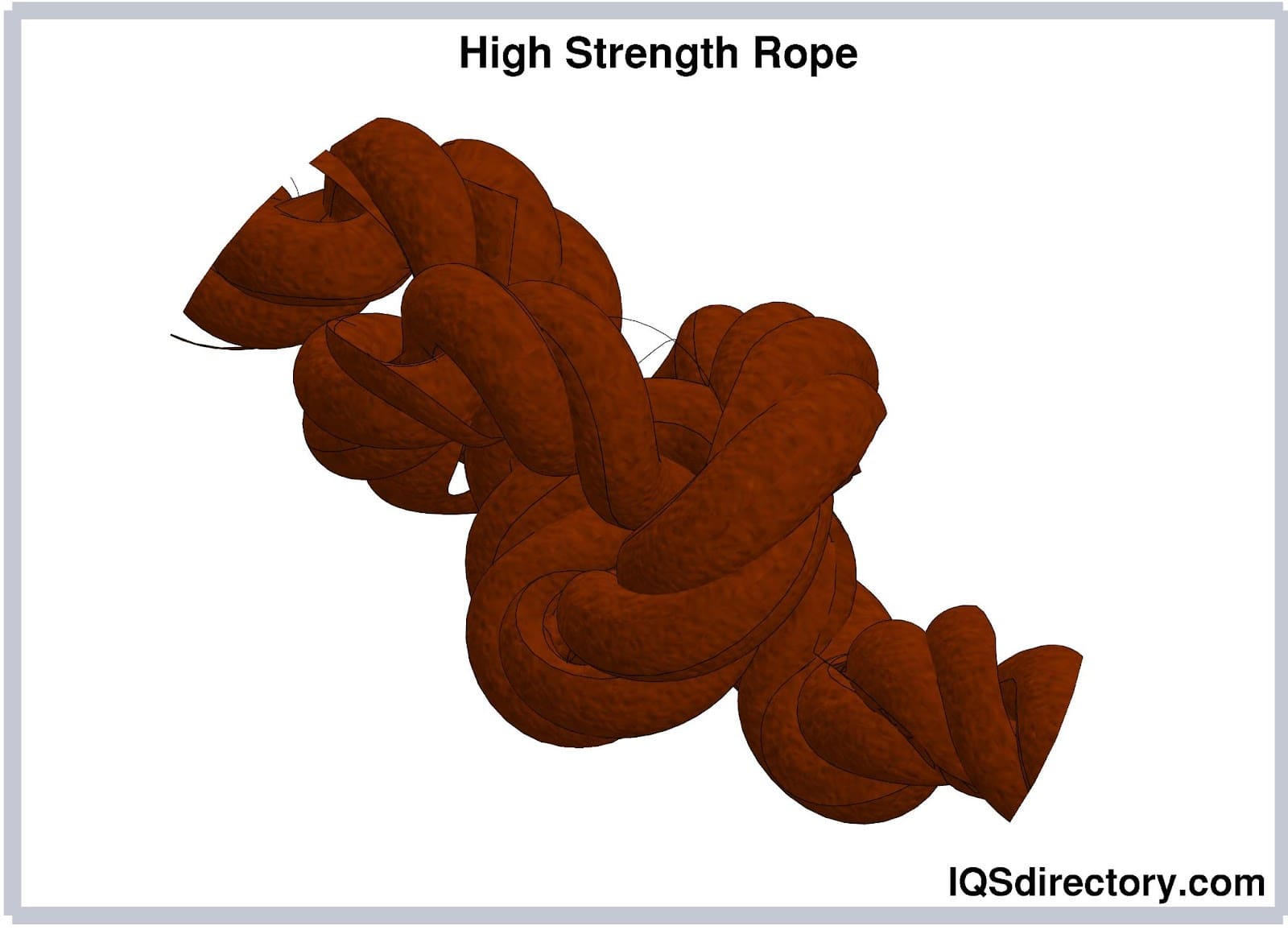
- Twisted Kevlar Rope: Consists of multiple Kevlar strands twisted together. This configuration is easier to splice and can be more cost-effective for static applications, such as mooring or utility lines, where the rope is not subject to constant motion or stress.
Still unsure which type to choose? Ask yourself:
- Will the rope be frequently handled, knotted, or exposed to abrasion?
- Is minimal stretch a requirement for your application?
- Are you prioritizing cost, weight, or maximum strength?
Contact our experts or request a quote for personalized Kevlar rope recommendations tailored to your requirements.
Kevlar Rope Manufacturing: Quality Assurance and Customization
Leading Kevlar rope manufacturers adhere to stringent quality control protocols to ensure consistency, safety, and performance. Production processes often include:
- Selection of high-grade DuPont™ Kevlar® yarn for optimal mechanical properties
- Precision braiding or twisting to achieve desired diameter, flexibility, and strength
- Surface treatments for enhanced abrasion resistance or UV stability
- Custom color-coding or tracer threads for easy identification in the field
- Load testing and certification to meet industry standards (ISO, ASTM, etc.)
Looking for a specific size, color, or breaking strength? Many manufacturers offer custom Kevlar rope fabrication to match unique project requirements, including lengths, end terminations, and special coatings. Explore the full range of Kevlar rope suppliers to find the ideal solution for your application.
Advantages of Kevlar Rope: Why Choose Kevlar Over Other Cordage?
Kevlar rope offers a suite of benefits that make it the material of choice for many industries and applications:
- Unmatched strength for critical tasks: Supports heavy loads and ensures safety in mission-critical environments.
- Lightweight for easy transport: Reduces manual effort and labor costs compared to steel wire rope.
- Long-lasting durability: Resistant to rot, mildew, and corrosion—perfect for outdoor and marine installations.
- Consistent performance in extreme conditions: Maintains strength and flexibility in hot, cold, or wet climates.
- Low maintenance: Requires less frequent replacement, minimizing downtime and reducing total cost of ownership.
- Non-conductive: Safe for use in electrical environments and utility applications.
- Easy to handle and splice: Allows for custom lengths and configurations in the field.
Ready to upgrade your cordage? Request Kevlar rope samples or consult with a specialist to assess the right product for your operation.
Kevlar Rope in Action: Real-World Use Cases and Success Stories
Wondering how Kevlar rope performs in demanding environments? Consider these real-world applications:
- Oil Rig Moorings: Offshore drilling platforms rely on Kevlar mooring lines to withstand constant tension, corrosive saltwater, and severe weather while securely anchoring rigs.
- Mining Operations: Kevlar minesweep cables provide a safe, non-magnetic alternative to steel, reducing the risk of triggering explosive devices and minimizing maintenance needs.
- Rescue and Safety: Fire departments and search & rescue teams trust Kevlar ropes for lifelines and harnesses due to their reliability under extreme loads and heat.
- Recreational Sports: Paragliders, climbers, and water sports enthusiasts value Kevlar lines for their lightweight design, minimal stretch, and resilience against wear and tear.
- Industrial Winch Lines: Utility trucks equipped with Kevlar winch ropes improve safety, reduce downtime, and enhance operational efficiency.
Frequently Asked Questions: Kevlar Rope Selection and Performance
- How do I select the right Kevlar rope diameter and strength?
Consider the working load limit (WLL), required safety factors, and specific application needs. Manufacturers provide datasheets listing breaking strength, stretch, and recommended usage for each product size. - Can Kevlar rope be used outdoors year-round?
Yes. Kevlar’s resistance to UV rays, moisture, and temperature extremes makes it ideal for permanent outdoor installations such as moorings, guy lines, and safety barriers. - Is Kevlar rope safe for climbing or rescue use?
When manufactured and rated specifically for climbing or rescue, Kevlar rope offers outstanding safety, but always verify certifications and inspect regularly for signs of wear. - What are the maintenance requirements for Kevlar rope?
Inspect regularly for abrasion, cuts, or degradation. Store in a dry, cool place away from direct sunlight and harsh chemicals for maximum lifespan. - How does Kevlar rope compare to Dyneema or Spectra rope?
While Dyneema and Spectra also offer high strength and low stretch, Kevlar provides superior heat resistance and is less prone to creep under constant load, making it preferable in certain industrial and rescue applications.
Not sure which Kevlar rope best fits your needs? Ask a Kevlar rope expert for guidance or explore our knowledge base for detailed product comparisons.
Where to Buy Kevlar Rope: Sourcing, Pricing, and Supplier Selection
Purchasing Kevlar rope involves evaluating suppliers based on product quality, customization options, pricing, and support. For industrial or bulk orders, consider:
- Supplier certifications and industry reputation
- Availability of technical support and application engineering
- Range of product sizes, configurations, and coatings
- Lead times and delivery logistics
- Competitive pricing and volume discounts
Ready to source Kevlar rope for your next project? Request a quote.
Explore Related Rope and Cordage Products
Kevlar ropes and cords are just one example of the many kinds of synthetic and natural cordage available for industrial and consumer applications. Depending on your project, you may also consider:
- Nylon rope: High elasticity and shock absorption, suitable for dynamic loads and general-purpose use.
- Braided rope: Superior abrasion resistance and flexibility, ideal for marine, climbing, and rescue operations.
- Polypropylene rope: Lightweight and floatable, commonly used for water sports and boating.
- Manila rope: Classic natural fiber rope, valued for grip and traditional aesthetics.
- Cotton rope: Soft and pliable, suitable for decorative or light-duty indoor applications.
Conclusion: Why Kevlar Rope Stands Out in Modern Cordage Solutions
As industries and consumers demand higher performance from cordage products, Kevlar rope stands out as a premium choice for strength, reliability, and longevity. From heavy-duty industrial projects to recreational adventures, its unique combination of high tensile strength, low weight, and environmental resistance delivers unparalleled value. Whether you’re seeking a solution for marine mooring, construction, rescue, or sports, Kevlar rope provides the confidence and durability needed to excel in the most challenging conditions.
Need help with selection, customization, or technical support? Connect with our Kevlar rope specialists today.